
Regular maintenance of linear strip drains is fundamental for ensuring optimal performance and longevity. Whether used in commercial walkways, pool areas, or shower zones, a well-cared-for drain system helps prevent blockages, improves safety, and maintains a clean aesthetic.
Below is a practical maintenance checklist for linear strip drains designed to help architects, designers, and contractors maintain the efficiency of stainless steel strip drains, keeping them functioning smoothly while protecting your investment over time.
Understanding Linear Drain and Strip Drains Applications
Linear strip drains have become integral to contemporary projects, playing a pivotal role in blending performance with aesthetics. Linear drains and strip drains offer flexibility in both function and design, catering to a wide array of drainage requirements, be it for residential, commercial, or civil settings.
At Auswave Products, our custom-designed stainless drain systems prioritise a balance between style and robust function, enhancing outdoor walkways, poolscapes, threshold entries, and bathrooms.
One of the defining advantages of linear drains lies in their ability to provide continuous, streamlined water management. Unlike point drains, a beautifully installed drain channel or linear strip drain collects and channels water efficiently over extended lengths, minimising water pooling and surface slip hazards.
The use of stainless steel in our drain system ensures not only durability but also a sleek architectural finish, especially important for projects demanding both longevity and design appeal.
Strip drains are equally suited for high-traffic environments such as public plazas, carparks, and shower areas within multi-residential buildings. Their modular nature means they adapt seamlessly into new builds or renovations, supporting the flow of large volumes of water while supporting aesthetic objectives.
With extensive experience and a local team on hand, Auswave assists architects, builders, and developers in selecting the right drains, grates, and materials, ensuring each project’s drainage systems are both functional and visually cohesive.
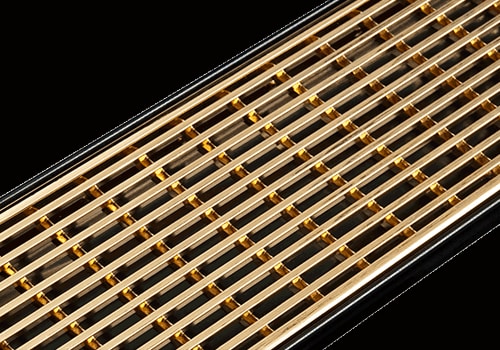
Initial Inspection and Routine Cleaning for Drains
Maintaining linear strip drains is fundamental to upholding both the aesthetics and efficacy architects, designers, and builders demand in today’s spaces. Whether installed in high-traffic commercial complexes, sleek residential patios, or vast civil infrastructure, a thoughtful approach to drain care prevents issues before they arise.
Auswave Products recommends regular inspection and routine cleaning as the backbone of long-lasting drain functionality. This process not only supports water flow management but also preserves the visual harmony integral to architectural intent. The next step is understanding the importance of proactively preventing blockages, no matter the project’s scale or purpose.
Preventing Blockages in Residential, Commercial, and Civil Installations
Whether you’re working on a bustling commercial entrance, a city walkway, or a private courtyard, every drain needs proactive care. Auswave’s stainless steel drains are engineered for reliability, but regular inspection remains essential.
Surface debris, leaves, litter, and garden mulch tend to accumulate and can quickly impede water flow if they enter the drain. In residential spaces, particularly outdoor entertaining areas and driveways, be vigilant after storms or wind events, when organic matter can clog drain channels.
Commercial and civil installations face additional challenges due to higher foot traffic and environmental exposure. Here, it’s best to schedule more frequent checks, especially in public plazas or areas prone to runoff from landscaping.
Auswave’s modular systems make removal straightforward. Inspect joints and connections to confirm they remain watertight and clear. Builders and plumbers should also flush the drains periodically with clean water to dislodge any undetected buildup.
An often overlooked yet important tip is examining the overall grading and surrounding surfaces. Proper fall toward the drain prevents standing water and minimises pressure on the drainage system. Incorporating Auswave’s custom heelguard designs ensures grates remain free of finer debris like sand and soil, particularly vital in civil and urban landscaping.
Recording each maintenance cycle, this aids property managers and developers in tracking performance and anticipating when deeper cleans or inspections may be needed.
With regular attention, your drains will efficiently manage water and maintain their high-spec visual appeal, upholding Auswave’s standards for functional, beautiful drainage solutions across every project type.
Best Practices for Maintaining Shower Drain Grates
Shower drains are often the unsung heroes of contemporary bathrooms, and for every designer or builder, it’s clear that longevity and consistent performance start with meticulous upkeep.
Because a shower is subjected to daily water flow, soap residue, hair, and other particulates, regular maintenance of the shower drain and its grate style is essential for both hygiene and water management.
At Auswave Products, our experience shows how stainless steel drains grates stand up well under frequent cleaning, but adopting a proper regimen maximises their lifespan and keeps them looking sharp.
Begin every maintenance cycle by removing the shower drain cover or grate. Choose a non-abrasive cleaner, this is particularly important for maintaining the lustre and integrity of stainless steel in a shower setting.
Rinse thoroughly to remove soap scum, mineral build-up, and other residues that may collect on the drain grates. For difficult spots, a mixture of warm water and gentle detergent is usually enough, while a soft brush can dislodge any hair or debris trapped in the grate slots.
Always avoid harsh chemicals that can damage the finish, especially in high-quality architectural hardware.
A go-to recommendation for property developers and plumbers is to check the drain’s internal channel beneath the grate. In a shower environment, accumulation in this space can lead to odours and water pooling if left unchecked.
Auswave Products’ modular shower drains allow for easy grate removal, letting maintenance teams flush the drains with water for a deeper clean. Builders should schedule periodic checks, especially in high-use commercial showers or multi-residential buildings, as part of their maintenance plans.
For ongoing guidance or product support, Auswave is always on hand to offer site advice or recommend tailored cleaning protocols for your specific project’s drain style.
Addressing Common Issues in Strip Drains
After establishing a solid maintenance routine, it’s just as important to recognise and respond to typical concerns that can affect strip drains throughout their lifespan. Even with premium materials, like the stainless steel used in Auswave’s drain solutions, certain problems can arise, especially in environments exposed to unpredictable weather or high usage.
For architects, builders, and plumbing contractors, identifying these issues early helps avoid larger complications that might impact both drainage performance and the surrounding design aesthetic.
One frequent issue with strip drains is persistent water pooling near the drain channel. This usually hints at incorrect grading or an inadequate fall towards the drains. It’s wise to review site levels or engage with Auswave for on-site assessment, as subtle adjustments in surface design can make a significant difference to water flow.
Drain covers that sit proud or have become damaged due to impact in carparks or pedestrian areas can also disrupt function. Checking for alignment and securing the drain grates tightly prevents further wear or trip hazards.
Another challenge is material build-up inside drains, particularly in outdoor installations where organic debris like leaves, silt, or even fine mulch can gather rapidly. For civil projects or public spaces, periodic flushing with clean water is recommended to clear underlying channels.
In showers and interior applications, soap residue or hair may obstruct the drain, so regular removal of covers for inspection is beneficial. At Auswave Products, our modular drain designs allow for simple dismantling and reassembly, making ongoing maintenance manageable for property developers and facilities managers alike.
Corrosion and surface staining, while rare with quality stainless steel strip drains, can sometimes occur in harsh environments. Should this happen, using non-abrasive cleaners helps restore the original finish and maintain a professional, architectural look.
When in doubt, Auswave’s technical team is available to consult on both site-specific troubleshooting and product upgrades, including custom heelguard grate patterns for particularly demanding sites. By staying proactive and addressing common strip drain issues early, your projects will continue to deliver both reliable drainage and stand-out visual appeal.
Don’t hesitate to reach out to Auswave Products for tailored site advice or to discuss custom solutions for your next drainage specification.
Proactive, regular maintenance is the best way to protect your investment and uphold the performance and appearance of your linear strip drains. By partnering with Auswave for expert advice and specialised stainless steel drainage systems, you gain peace of mind that your drains are built to last.
Ready to discuss a custom solution or need further maintenance tips? Reach out to our Sydney-based team for friendly support and guidance tailored to your next project.

